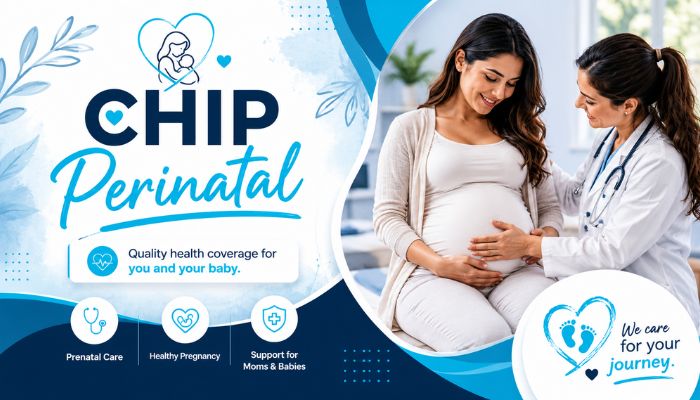
The CHIP Perinatal program provides essential healthcare coverage for pregnant women and unborn babies in the United States who may not qualify for traditional Medicaid benefits. This government-funded healthcare assistance program helps low-income families access prenatal care, medical services, childbirth support, and healthcare for newborns during one of the most important stages of life.
Learn about: Child Care Assistance
As medical costs and health insurance expenses continue to rise, many pregnant women struggle to afford prenatal visits, hospital care, and pregnancy-related healthcare services. CHIP Perinatal helps reduce these financial burdens while improving maternal and infant health outcomes.
For families searching for affordable pregnancy healthcare, prenatal medical coverage, or government health insurance assistance, understanding how CHIP Perinatal works can help provide access to critical healthcare services during pregnancy and after childbirth.
What Is CHIP Perinatal?
CHIP Perinatal is a healthcare assistance program that provides prenatal and postpartum medical coverage for pregnant women who do not qualify for Medicaid and may lack private health insurance.
The program is part of the Children’s Health Insurance Program (CHIP), which was created to help low-income families access affordable healthcare services.
CHIP Perinatal coverage may include:
- Prenatal doctor visits
- Ultrasounds
- Laboratory tests
- Hospital delivery services
- Prescription medications
- Routine pregnancy care
- Newborn healthcare services
- Postpartum medical care
The program helps ensure that mothers and babies receive necessary medical attention before and after birth.
Who Qualifies for CHIP Perinatal?
Eligibility requirements vary by state, but CHIP Perinatal is generally available for pregnant women who:
- Meet income guidelines
- Do not qualify for Medicaid
- Lack affordable private health insurance
- Are residents of the state where they apply
Some states may also provide coverage regardless of immigration status for unborn children receiving healthcare benefits.
Income limits are typically higher than standard Medicaid eligibility levels, allowing more families to qualify for pregnancy healthcare assistance.
Because eligibility rules differ between states, applicants should review local CHIP Perinatal guidelines carefully.
Why Prenatal Healthcare Is Important
Prenatal care plays a critical role in protecting the health of both the mother and the developing baby.
Regular prenatal medical visits help:
- Monitor fetal development
- Detect pregnancy complications
- Manage chronic medical conditions
- Reduce premature birth risks
- Improve birth outcomes
Without access to healthcare coverage, many women may delay or avoid important medical care during pregnancy.
CHIP Perinatal helps families receive affordable medical services that support healthier pregnancies and safer deliveries.
Medical Services Covered by CHIP Perinatal
CHIP Perinatal programs may cover a wide range of pregnancy-related healthcare services.
Prenatal Doctor Visits
Routine prenatal appointments help healthcare providers:
- Monitor the baby’s growth
- Check maternal health
- Identify potential complications
- Provide nutritional guidance
Diagnostic Testing
Coverage often includes:
- Blood tests
- Ultrasounds
- Diabetes screening
- Genetic testing in some cases
- Routine lab work
These medical evaluations help ensure early detection of potential health concerns.
Labor and Delivery Services
CHIP Perinatal may help cover:
- Hospital childbirth expenses
- Delivery services
- Physician care during labor
- Emergency pregnancy services
Hospital delivery costs can be extremely expensive without health insurance coverage, making this assistance especially valuable for low-income families.
Postpartum Care
After childbirth, mothers may receive:
- Follow-up medical visits
- Mental health evaluations
- Recovery care
- Breastfeeding support
Postpartum healthcare helps improve long-term maternal and infant well-being.
Healthcare Coverage for Newborn Babies
One of the most important aspects of CHIP Perinatal is healthcare support for newborn infants.
Babies born under the program may qualify for:
- Routine newborn care
- Pediatric medical visits
- Vaccinations
- Health screenings
- Emergency medical services
Early access to healthcare services can improve infant health outcomes and reduce long-term medical complications.
Benefits of CHIP Perinatal for Families
CHIP Perinatal provides several important financial and medical benefits for families experiencing financial hardship.
Reduced Medical Costs
Pregnancy and childbirth expenses can create overwhelming medical debt for uninsured families.
Healthcare assistance helps cover:
- Prenatal appointments
- Hospital bills
- Prescription medications
- Emergency care
Improved Maternal Health
Access to regular healthcare reduces the risk of:
- Pregnancy complications
- High blood pressure
- Gestational diabetes
- Premature birth
Better Infant Health Outcomes
Babies born to mothers receiving prenatal care are more likely to:
- Have healthier birth weights
- Avoid serious medical complications
- Receive preventive healthcare early
These positive outcomes help reduce healthcare costs and improve long-term family well-being.
How to Apply for CHIP Perinatal
Pregnant women interested in CHIP Perinatal coverage can usually apply through:
- State healthcare agencies
- Medicaid offices
- Online health insurance portals
- Community health clinics
Applicants may need:
- Proof of pregnancy
- Identification documents
- Proof of income
- Residency verification
- Household information
Some states offer expedited application processes for pregnant women to ensure faster access to medical care.
Because pregnancy healthcare is time-sensitive, applicants are encouraged to apply as early as possible.
CHIP Perinatal vs. Medicaid
Many people confuse CHIP Perinatal with Medicaid because both programs provide healthcare assistance for low-income families.
Medicaid
Medicaid generally offers broader healthcare coverage for eligible low-income individuals and families.
CHIP Perinatal
CHIP Perinatal specifically focuses on pregnancy-related healthcare for women who do not qualify for Medicaid but still need affordable medical coverage.
Both programs help improve healthcare access and reduce financial barriers for vulnerable populations.
Challenges Facing Pregnant Women Without Insurance
Uninsured pregnant women often face major financial and medical challenges.
High Healthcare Costs
Without insurance, families may struggle to pay for:
- Prenatal care
- Hospital delivery services
- Emergency medical treatment
- Newborn healthcare
Delayed Medical Care
Some women postpone healthcare visits due to financial concerns, increasing the risk of complications.
Limited Access to Specialists
Uninsured patients may have difficulty accessing:
- Obstetricians
- High-risk pregnancy specialists
- Mental health services
CHIP Perinatal helps reduce these barriers and improve access to quality healthcare services.
Why CHIP Perinatal Matters
Healthcare coverage during pregnancy is essential for protecting mothers and babies.
CHIP Perinatal helps:
- Reduce maternal health risks
- Improve infant survival rates
- Lower healthcare disparities
- Support healthier pregnancies
- Reduce medical debt for families
Without affordable healthcare assistance programs, many families would struggle to receive adequate prenatal and childbirth care.