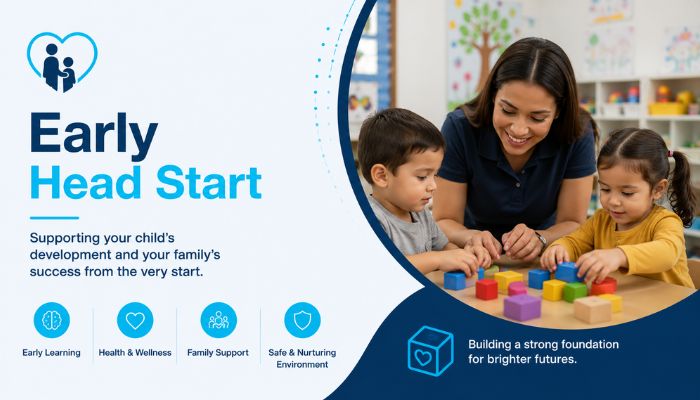
The Early Head Start program is one of the most important government-funded childcare and early childhood development programs in the United States. Designed to support low-income families, pregnant women, infants, and toddlers, Early Head Start provides free educational services, healthcare support, nutrition assistance, and parenting resources during a child’s earliest developmental years.
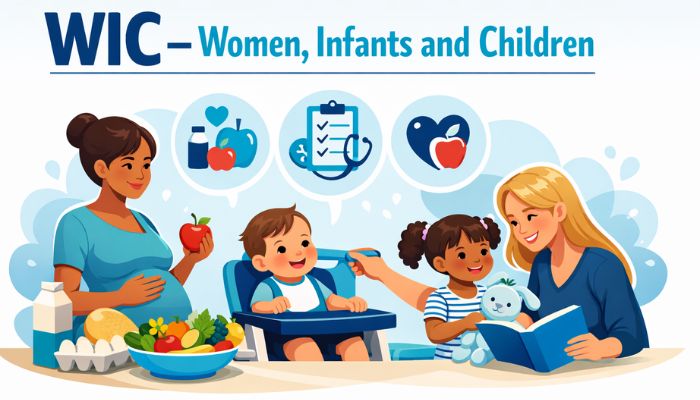
You might be interested in: WIC – Women, Infants and Children
As childcare costs continue to increase across the country, many families struggle to afford quality daycare and early education programs. Early Head Start helps bridge that gap by offering comprehensive child development services that promote healthy growth, emotional well-being, and school readiness from birth to age three.
For parents searching for free childcare programs, government assistance for families, or early learning opportunities, Early Head Start can provide critical financial and educational support.
What Is Early Head Start?
Early Head Start is a federally funded program operated under the larger Head Start initiative managed by the U.S. Department of Health and Human Services. The program focuses specifically on supporting:
- Pregnant women
- Infants
- Toddlers up to age three
- Low-income families
The main goal of Early Head Start is to encourage healthy child development during the most important stages of life. Research shows that a child’s brain develops rapidly during the first three years, making early education and family support essential for long-term success.
The program offers a variety of services, including:
- Free childcare assistance
- Early learning programs
- Health screenings
- Prenatal support
- Parenting education
- Nutritional assistance
- Mental health support
- Disability services
By helping both children and parents, Early Head Start creates a strong foundation for future academic achievement and family stability.
Who Qualifies for Early Head Start?
Eligibility for Early Head Start is primarily based on household income and family circumstances.
Families may qualify if they:
- Meet federal low-income guidelines
- Receive public assistance benefits
- Are experiencing homelessness
- Participate in programs such as SNAP or TANF
- Have children in foster care
Pregnant women and families with infants or toddlers are encouraged to apply as early as possible because availability may be limited in some communities.
Many local agencies also prioritize:
- Single-parent households
- Families facing financial hardship
- Parents with disabilities
- Migrant and seasonal worker families
Because each center may have slightly different enrollment procedures, families should contact their local Early Head Start provider for updated eligibility information.
Benefits of Early Head Start for Children
Early childhood development plays a critical role in future learning and emotional health. Early Head Start programs are designed to support every aspect of a child’s growth.
Early Learning and Cognitive Development
Children participate in age-appropriate educational activities that help develop:
- Communication skills
- Motor skills
- Emotional regulation
- Social interaction
- Language development
These activities prepare children for preschool and kindergarten while promoting healthy emotional development.
Health and Wellness Services
Many Early Head Start programs provide:
- Medical checkups
- Vision and hearing screenings
- Immunization support
- Mental health services
- Developmental evaluations
Early access to healthcare services can help identify developmental concerns and provide families with appropriate support resources.
Nutritional Support
Healthy nutrition is essential during infancy and early childhood. Early Head Start often provides:
- Nutritious meals
- Infant feeding guidance
- Nutrition education for parents
These services help support healthy growth and reduce food insecurity for low-income households.
How Early Head Start Helps Parents
One of the unique aspects of Early Head Start is its focus on the entire family, not just the child.
Parenting Education
Parents receive guidance on:
- Child development
- Positive parenting strategies
- Safe sleep practices
- Emotional bonding
- Early learning activities at home
This support helps parents feel more confident in caring for their children and promoting healthy development.
Employment and Education Support
Reliable childcare assistance allows many parents to:
- Return to work
- Attend school
- Participate in job training programs
- Pursue career development opportunities
For low-income families, access to affordable childcare can significantly improve financial stability and long-term earning potential.
Family Support Services
Many programs connect families with:
- Housing assistance
- Healthcare resources
- Financial aid programs
- Mental health counseling
- Community support organizations
These services can help families overcome economic challenges and build a more stable future.
Home-Based and Center-Based Program Options
Early Head Start services may be offered in different formats depending on the community.
Center-Based Programs
Children attend licensed childcare centers where they participate in structured learning activities and receive daily care.
Home-Based Services
Trained specialists visit families at home to provide:
- Parenting guidance
- Child development support
- Educational activities
- Health information
Home visits allow families to receive personalized support in a comfortable environment.
Some communities may also offer a combination of both service models.
How to Apply for Early Head Start
Applying for Early Head Start is generally free and straightforward. Families can contact local Head Start agencies or apply online in participating areas.
Applicants may need:
- Proof of income
- Pregnancy verification (if applicable)
- Birth certificates
- Immunization records
- Proof of residency
- Public assistance documentation
Because enrollment spots may fill quickly, families are encouraged to apply early.
Why Early Head Start Matters
The rising cost of childcare in the United States has created financial stress for many working families. Quality infant and toddler care is often expensive and difficult to access.
Early Head Start helps reduce these burdens by providing:
- Free childcare services
- Educational support
- Health resources
- Family assistance programs
Research continues to show that children who receive high-quality early education are more likely to succeed academically and socially later in life.
For many parents, Early Head Start becomes an essential support system during some of the most financially challenging years of raising young children.