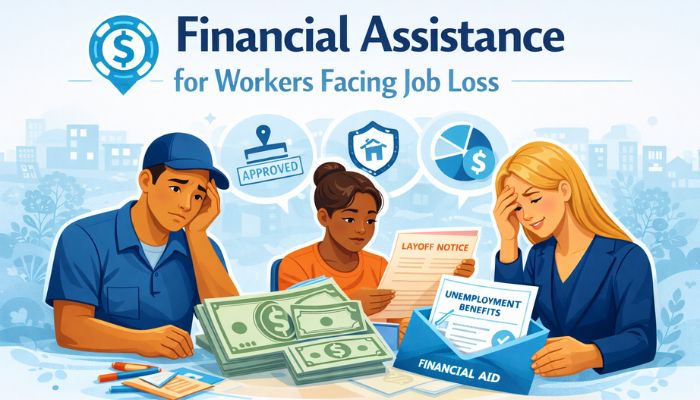
Unemployment Insurance is one of the most important government assistance programs available to workers in the United States. Designed to provide temporary financial relief, unemployment benefits help individuals who lose their jobs through no fault of their own maintain financial stability while searching for new employment opportunities.
Find out about: Emergency Rental Assistance
For millions of Americans, unemployment assistance becomes a critical source of income during periods of economic uncertainty, layoffs, company closures, or unexpected job loss. These benefits can help families continue paying for housing, utilities, groceries, healthcare, and other essential living expenses.
As economic conditions continue to change, understanding how unemployment insurance works and learning how to apply for benefits can make a significant difference for workers facing financial hardship.
What Is Unemployment Insurance?
Unemployment Insurance (UI) is a government-funded program that provides temporary income assistance to eligible workers who become unemployed. Although the program is supported by federal guidelines, each state operates its own unemployment insurance system and establishes specific eligibility rules, payment amounts, and application procedures.
The primary goal of unemployment benefits is to help workers cover basic living expenses while actively seeking new employment.
Unemployment compensation may help pay for:
- Rent or mortgage payments
- Utility bills
- Groceries and food expenses
- Transportation costs
- Healthcare expenses
- Childcare services
Because unemployment benefits are temporary, recipients are generally expected to actively search for work and meet ongoing state requirements.
Who Qualifies for Unemployment Benefits?
Eligibility for unemployment insurance varies by state, but there are several common requirements that most applicants must meet.
In general, workers may qualify if they:
- Lost their job through no fault of their own
- Were laid off due to company downsizing or closures
- Meet minimum income or work history requirements
- Are physically able to work
- Are actively searching for employment
Workers who voluntarily quit without a valid reason or were terminated for serious misconduct may not qualify for unemployment benefits.
Some states may also provide special unemployment assistance for:
- Part-time workers
- Seasonal employees
- Self-employed individuals during emergencies
- Workers affected by natural disasters
Because regulations differ by location, applicants should review the unemployment insurance rules in their state.
How Much Money Can You Receive?
The amount of unemployment compensation a person receives depends on several factors, including:
- Previous earnings
- Employment history
- State benefit formulas
- Number of weeks worked
Most states calculate benefits based on a percentage of the applicant’s recent wages.
Weekly Benefit Payments
Recipients usually receive weekly or biweekly payments for a limited period of time. The exact amount varies significantly between states.
Additional Federal Assistance
During economic crises or periods of high unemployment, the federal government may provide supplemental unemployment benefits or extended payment periods.
These emergency programs can help workers maintain financial stability during difficult economic conditions.
How Long Do Unemployment Benefits Last?
The duration of unemployment assistance depends on state guidelines and economic conditions.
In many states, eligible workers may receive benefits for up to 26 weeks. However, during periods of economic downturn or national emergencies, extended unemployment programs may become available.
To continue receiving payments, recipients often must:
- File weekly claims
- Report job search activities
- Accept suitable employment offers
- Meet work availability requirements
Failing to comply with these conditions may result in reduced or terminated benefits.
How to Apply for Unemployment Insurance
Applying for unemployment benefits is usually done online through the applicant’s state unemployment agency website.
Applicants typically need:
- Social Security number
- Employment history
- Information about previous employers
- Proof of wages or income
- Government-issued identification
- Bank account details for direct deposit
Because processing times vary, workers are encouraged to apply immediately after losing their job.
Many states now offer:
- Online claim systems
- Mobile application options
- Telephone assistance
- Multilingual support services
Submitting accurate information can help avoid delays in receiving unemployment payments.
Common Reasons People Apply for Unemployment Assistance
Millions of workers apply for unemployment insurance each year due to various financial and economic circumstances.
Company Layoffs
Businesses may reduce staff because of economic slowdowns, restructuring, or declining revenue.
Seasonal Employment Changes
Some industries, including tourism and agriculture, experience seasonal layoffs during slower months.
Economic Recessions
During recessions or periods of inflation, unemployment rates often rise, increasing the demand for financial assistance programs.
Unexpected Emergencies
Natural disasters, public health emergencies, or other crises can lead to sudden job losses and financial hardship.
In these situations, unemployment insurance can provide temporary financial protection while workers seek new opportunities.
Why Unemployment Benefits Are Important
Losing a job can create immediate financial stress for individuals and families. Without stable income, many households struggle to cover basic living expenses.
Unemployment insurance helps:
- Prevent severe financial hardship
- Reduce housing instability
- Support consumer spending
- Stabilize local economies
- Give workers time to find suitable employment
By providing temporary financial relief, unemployment benefits help workers avoid falling into deeper poverty during difficult transitions.
Tips for Maintaining Eligibility
Workers receiving unemployment assistance should follow all state requirements carefully.
Continue Job Searching
Most states require recipients to actively search for work and document their efforts.
File Weekly Certifications
Recipients often need to submit weekly or biweekly reports confirming their unemployment status.
Report Income Accurately
Any temporary earnings or part-time work should be reported to avoid penalties or overpayment issues.
Respond to Agency Requests
Quickly responding to requests for information can help prevent delays or benefit interruptions.