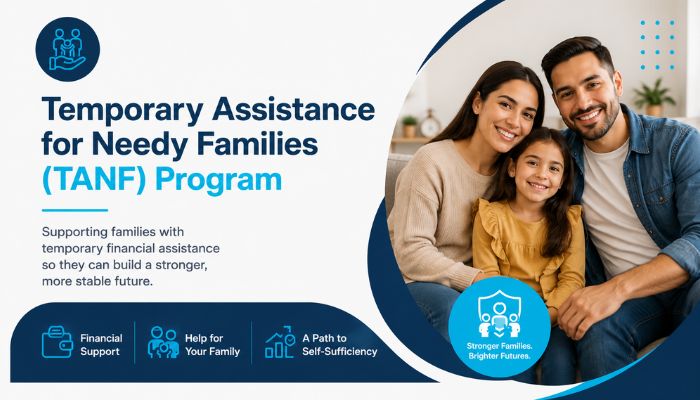
The Temporary Assistance for Needy Families (TANF) program is one of the most important government assistance programs in the United States for families facing financial hardship. Created to provide temporary financial support, job preparation, and family assistance services, TANF helps millions of low-income parents and children access basic necessities while working toward long-term economic stability.
Find out about: Unemployment benefits
For many families, this program becomes a critical lifeline during unemployment, reduced income, housing instability, or unexpected emergencies. TANF benefits can help cover essential expenses such as food, rent, utilities, childcare, transportation, and other household needs.
In today’s economy, where the cost of living continues to rise, learning how TANF works and understanding the eligibility requirements can help families find much-needed financial relief.
What Is TANF?
The Temporary Assistance for Needy Families (TANF) program is a federally funded assistance program managed by individual U.S. states. Its main purpose is to provide temporary cash assistance and employment support to low-income families with children.
Unlike some federal benefit programs, TANF rules and payment amounts vary depending on the state. However, the overall mission remains the same: helping families become self-sufficient while supporting children’s well-being.
TANF may include:
- Monthly cash assistance
- Employment and job training programs
- Childcare support
- Transportation assistance
- Educational support services
- Emergency financial help
This government aid program is especially important for single parents, unemployed workers, and families experiencing financial hardship.
Who Can Apply for TANF Benefits?
Eligibility for TANF depends on several factors, including household income, family size, employment status, and residency requirements.
In general, applicants may qualify if they:
- Have low or very limited income
- Are responsible for a child under 18
- Are pregnant
- Live in the state where they apply
- Meet citizenship or eligible immigration requirements
- Cooperate with work or employment programs
Many states also prioritize assistance for:
- Single mothers
- Families with unemployed parents
- Households facing homelessness
- Victims of domestic violence
- Families with disabilities
Because every state manages its own TANF system, the application process and income limits may differ significantly across the country.
How Much Money Can Families Receive?
TANF monthly payments vary by state and household size. Some families may receive a few hundred dollars per month, while others may qualify for additional support services and emergency aid.
Several factors influence the benefit amount, including:
Household Income
Families with lower income levels generally qualify for larger benefits.
Number of Children
Larger households may receive increased monthly assistance.
State Guidelines
Each state establishes its own TANF payment structure and eligibility rules.
In addition to direct cash assistance, some states offer:
- Housing assistance programs
- Utility payment support
- Childcare subsidies
- Employment incentives
- Transportation vouchers
These additional benefits can significantly improve financial stability for struggling households.
TANF Work Requirements
One of the main goals of TANF is to help adults become financially independent through employment and career development.
Most recipients must participate in approved work-related activities, such as:
- Job training programs
- Employment search activities
- Community service
- Vocational education
- Part-time or full-time work
- Career readiness workshops
States often provide employment counseling and workforce development programs to help participants improve their job skills and increase their earning potential.
For many families, TANF becomes more than temporary financial aid — it becomes a pathway toward long-term employment opportunities and financial independence.
How to Apply for TANF Assistance
Families interested in applying for TANF benefits can usually complete the process online, by phone, or at their local social services office.
Applicants may need to provide:
- Proof of identity
- Income verification
- Social Security numbers
- Birth certificates for children
- Proof of residency
- Employment information
- Utility or housing documents
Many states now offer digital application systems that make it easier for families to apply for public assistance programs from home.
Because processing times vary, applicants are encouraged to submit accurate documentation and respond quickly to any additional requests from caseworkers.
Additional Benefits Families May Receive
Many households that qualify for TANF may also be eligible for other government assistance programs designed to reduce financial stress.
These may include:
SNAP Benefits
Also known as food stamps, SNAP helps families purchase groceries and healthy food.
Medicaid Coverage
Low-income households may qualify for free or low-cost health insurance.
Childcare Assistance
Some states help parents pay for daycare services while working or attending school.
Housing Assistance Programs
Families facing housing insecurity may qualify for rental support or subsidized housing.
Combining multiple assistance programs can help families improve financial security while building a more stable future.
Why TANF Remains Important in the United States
Economic challenges continue to affect millions of American households. Rising housing costs, inflation, medical expenses, and job instability have made government support programs increasingly important.
TANF helps families:
- Avoid extreme poverty
- Maintain housing stability
- Support children’s basic needs
- Access employment resources
- Improve long-term financial outcomes
For parents facing difficult financial situations, temporary assistance programs can provide critical support during times of crisis.