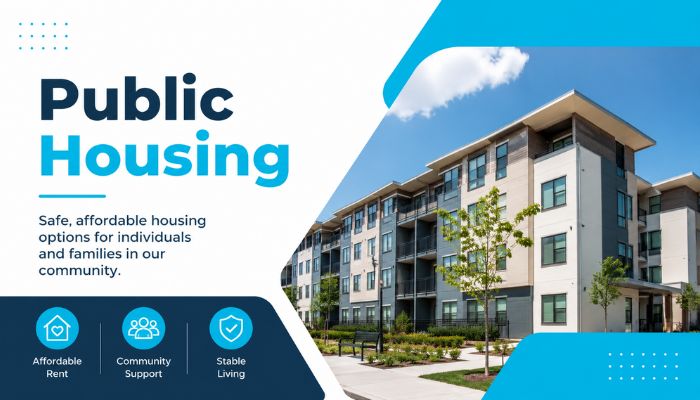
Public housing is one of the most important government housing assistance programs in the United States. Designed to help low-income families, seniors, and individuals with disabilities, public housing provides affordable rental options for people who may struggle to pay market-rate housing costs. As rent prices and living expenses continue to increase nationwide, public housing programs remain a critical source of financial relief and housing stability for millions of Americans.
Find out about: Veterans Benefits
Managed through local Public Housing Agencies (PHAs) and supported by the U.S. Department of Housing and Urban Development (HUD), these housing assistance programs help vulnerable populations access safe and affordable homes while reducing the risk of homelessness and severe financial hardship.
For families searching for low-income apartments, affordable housing programs, or government rental assistance, understanding how public housing works can help them find long-term housing solutions and greater financial security.
What Is Public Housing?
Public housing is a federally funded housing assistance program that provides affordable rental homes for eligible low-income individuals and families. These properties are owned and managed by local housing authorities that work in partnership with HUD.
Public housing developments may include:
- Apartment complexes
- Townhouses
- Senior housing communities
- Housing for people with disabilities
- Family housing units
The goal of public housing is to ensure that families with limited income can access safe, decent, and sanitary living conditions at affordable rental rates.
Unlike traditional private housing, rent in public housing is generally based on a family’s income level, making it significantly more affordable for eligible residents.
Who Qualifies for Public Housing?
Eligibility for public housing depends on several factors, including:
- Household income
- Family size
- Citizenship or eligible immigration status
- Criminal background screening
- Local housing authority requirements
In general, public housing is intended for:
- Low-income families
- Elderly individuals
- Disabled residents
- People experiencing housing instability
Each housing authority establishes income limits based on the median income levels in the local area.
Because affordable housing demand is often high, many cities have waiting lists for public housing units.
How Public Housing Rent Is Calculated
One of the biggest advantages of public housing is that rent payments are income-based.
Most residents pay approximately 30% of their adjusted monthly income toward rent and utilities. This system helps ensure that housing remains affordable even for households with limited earnings.
Expenses That May Affect Rent Calculations
Housing authorities may consider:
- Employment income
- Social Security benefits
- Disability payments
- Child support income
- Household size
- Medical expenses in some cases
This flexible payment structure allows families to maintain stable housing while managing other important living expenses.
Types of Public Housing Programs
Public housing assistance includes several different housing options depending on the needs of residents.
Family Public Housing
These housing units are designed for families with children and may include apartment communities with access to schools, parks, and public transportation.
Senior Housing Programs
Some public housing developments are specifically reserved for older adults and retirees living on fixed incomes.
Senior housing may provide:
- Accessible living spaces
- Community support services
- Transportation assistance
- Social programs for elderly residents
Housing for People with Disabilities
Many housing authorities also provide specialized units designed for individuals with physical or developmental disabilities.
These units may include:
- Wheelchair accessibility
- Safety modifications
- Supportive housing services
Accessible housing helps residents maintain independence and improve quality of life.
Benefits of Public Housing
Public housing programs provide several important financial and social benefits for residents.
Affordable Housing Costs
Reduced rent payments help families:
- Avoid eviction
- Prevent homelessness
- Reduce financial stress
- Save money for healthcare and education
Affordable rent allows households to focus on improving long-term financial stability.
Safe and Stable Housing
Public housing provides safe living environments that support:
- Child development
- Educational success
- Employment stability
- Community engagement
Stable housing can significantly improve physical and emotional well-being.
Access to Community Resources
Many housing communities offer access to:
- Job training programs
- Childcare services
- Educational support
- Healthcare referrals
- Community centers
These services help residents build stronger and more stable futures.
Challenges Facing Public Housing
Although public housing provides essential support, many communities face ongoing challenges related to affordable housing availability.
Long Waiting Lists
Because demand for affordable housing is high, waiting lists for public housing can last months or even years in some cities.
Limited Housing Supply
Many areas face shortages of affordable rental units due to:
- Rising construction costs
- Population growth
- Limited government funding
Property Maintenance Needs
Older housing developments may require repairs and modernization to maintain safe living conditions for residents.
Federal and local governments continue working to improve housing quality and expand affordable housing opportunities.
How to Apply for Public Housing
Individuals and families interested in public housing can apply through their local Public Housing Agency.
Applicants typically need:
- Proof of income
- Identification documents
- Social Security numbers
- Birth certificates
- Employment information
- Immigration documentation if applicable
Many housing authorities now offer online applications, making it easier for families to begin the process.
Because waiting periods can be lengthy, applicants are encouraged to apply as early as possible.
Public Housing vs. Housing Choice Vouchers
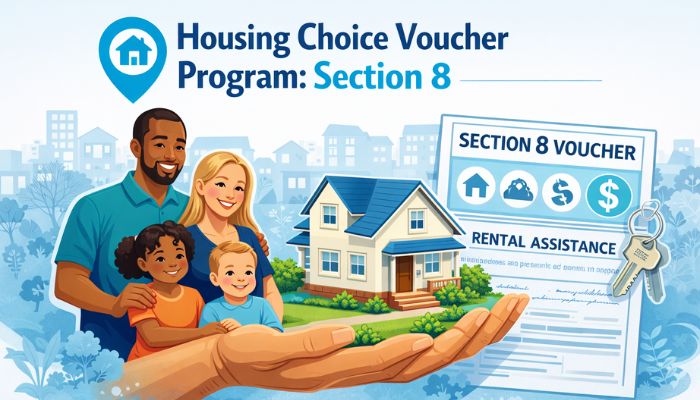
Many people confuse public housing with Section 8 Housing Choice Vouchers, but the programs operate differently.
Public Housing
Residents live in government-owned housing units managed by local housing authorities.
Housing Choice Vouchers
Participants receive rental assistance vouchers that help pay rent in privately owned housing units.
Both programs aim to improve housing affordability for low-income households, but they offer different levels of flexibility and housing options.
Why Public Housing Matters
Affordable housing remains one of the biggest financial challenges facing American families today. Rising rents and economic uncertainty have increased the need for stable housing assistance programs.
Public housing helps:
- Reduce homelessness
- Improve financial security
- Support low-income families
- Protect vulnerable populations
- Strengthen local communities
Without affordable housing programs, many families would struggle to maintain safe living conditions and financial stability.