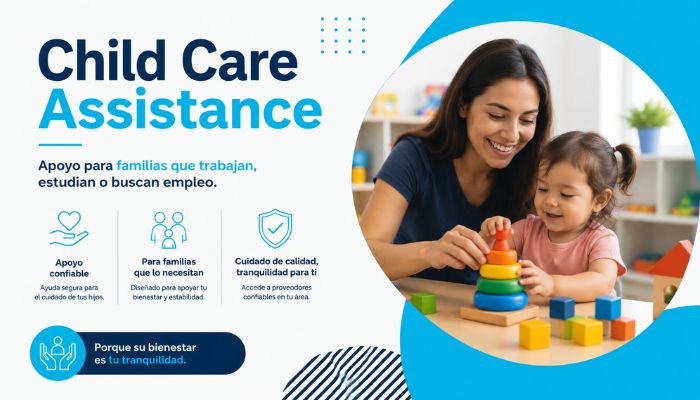
Child Care Assistance programs provide critical financial support for families struggling to afford daycare and childcare services in the United States. As childcare costs continue to increase nationwide, many parents face major financial challenges while trying to balance work, education, and family responsibilities.
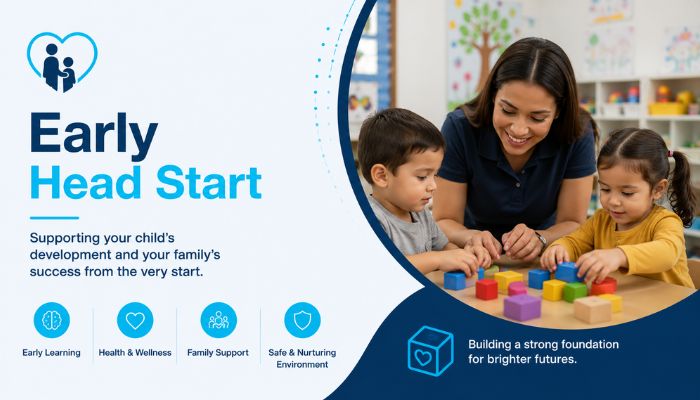
Learn about: Early Head Start
Government childcare assistance programs help low-income families access safe and reliable childcare services, allowing parents to maintain employment, attend school, or participate in job training programs. These programs are especially important for single parents, working mothers, and households facing financial hardship.
For families searching for affordable daycare, childcare subsidies, or government financial assistance, understanding available childcare support programs can provide meaningful relief and improve long-term financial stability.
What Is Child Care Assistance?
Child Care Assistance refers to government-funded programs designed to help eligible families pay for childcare services. These programs reduce out-of-pocket daycare costs and make quality childcare more accessible for low-income households.
In the United States, childcare assistance is commonly funded through federal and state programs such as the Child Care and Development Fund (CCDF).
These programs may help cover:
- Daycare expenses
- Preschool costs
- Before-school and after-school care
- Infant and toddler care
- Summer childcare programs
The amount of assistance varies depending on family income, household size, employment status, and state regulations.
Why Child Care Assistance Is Important
Childcare expenses can consume a large portion of a family’s monthly income. In many areas, daycare costs rival housing expenses, making affordable childcare difficult for working parents.
Child Care Assistance programs help families:
- Maintain employment
- Pursue education or job training
- Reduce financial stress
- Improve child safety and supervision
- Access high-quality early childhood education
Reliable childcare also supports economic growth by helping parents remain active in the workforce.
For many families, childcare subsidies make the difference between financial stability and economic hardship.
Who Qualifies for Child Care Assistance?
Eligibility requirements vary by state, but most childcare assistance programs focus on helping low-income and working families.
Families may qualify if they:
- Meet income eligibility guidelines
- Have children under a certain age
- Are employed or actively seeking employment
- Attend school or job training programs
- Require childcare during work hours
Some states may prioritize assistance for:
- Single-parent households
- Families receiving public assistance
- Children with disabilities
- Foster families
- Homeless households
Because funding is often limited, waiting lists may exist in some communities.
Types of Childcare Services Covered
Child Care Assistance programs may cover several different types of childcare arrangements.
Licensed Daycare Centers
Many programs help pay for childcare at licensed daycare facilities that meet state safety and educational standards.
Family Childcare Homes
Some families choose home-based childcare providers who care for children in smaller group settings.
Preschool and Early Education Programs
Certain assistance programs support preschool enrollment and school readiness programs for young children.
Before and After School Care
School-age children may qualify for supervision programs before classes begin or after the school day ends.
This flexibility allows families to choose childcare options that best meet their schedules and needs.
How to Apply for Child Care Assistance
Families interested in childcare subsidies can usually apply through their state’s social services or childcare agency.
Information Often Required
Applicants may need:
- Proof of income
- Employment verification
- Child birth certificates
- Proof of residency
- School or training schedules
- Identification documents
Many states now offer online applications, making it easier for families to apply for benefits from home.
Because processing times vary, parents are encouraged to apply early, especially in areas with high demand for childcare assistance.
Child Care Assistance and Early Childhood Education
Affordable childcare does more than help parents financially — it also supports healthy child development.
Benefits for Children
High-quality childcare programs can help children:
- Develop social skills
- Improve communication abilities
- Build emotional confidence
- Prepare for kindergarten
- Access educational activities
Research shows that children who participate in early childhood education programs often experience stronger academic performance later in life.
Support for Working Parents
Reliable childcare allows parents to:
- Maintain stable employment
- Increase work hours
- Continue their education
- Pursue career advancement opportunities
This support can improve household income and long-term financial security.
Additional Government Assistance Programs for Families
Families receiving Child Care Assistance may also qualify for other government support programs.
SNAP Benefits
Food assistance programs help families purchase groceries and reduce monthly food expenses.
Medicaid
Low-income households may qualify for healthcare coverage for both parents and children.
Head Start and Early Head Start
These programs provide free early education, childcare services, and family support for eligible families.
Housing Assistance
Some families may qualify for rental assistance or subsidized housing programs.
Combining multiple support programs can significantly improve family stability and reduce financial stress.
Challenges Families Face With Childcare Costs
The cost of childcare in the United States has increased dramatically over the past decade.
Many parents struggle with:
- High daycare tuition
- Limited childcare availability
- Long waiting lists
- Lack of flexible care schedules
- Transportation challenges
For low-income families, these expenses can make it difficult to maintain consistent employment.
Child Care Assistance programs help address these challenges by making childcare more affordable and accessible.
Tips for Finding Affordable Childcare
Parents searching for childcare support can improve their options by:
- Applying for assistance early
- Researching local subsidy programs
- Exploring Head Start opportunities
- Comparing licensed providers
- Asking about sliding-scale tuition options
Families should also verify that providers meet state licensing and safety requirements.
Finding quality childcare can provide long-term educational and emotional benefits for children.
Why Child Care Assistance Matters
Affordable childcare is essential for both child development and economic stability.
Child Care Assistance programs help:
- Reduce poverty among working families
- Support workforce participation
- Improve access to early education
- Promote child safety and well-being
- Increase long-term financial independence
These programs are especially important for families balancing work responsibilities with rising living costs.