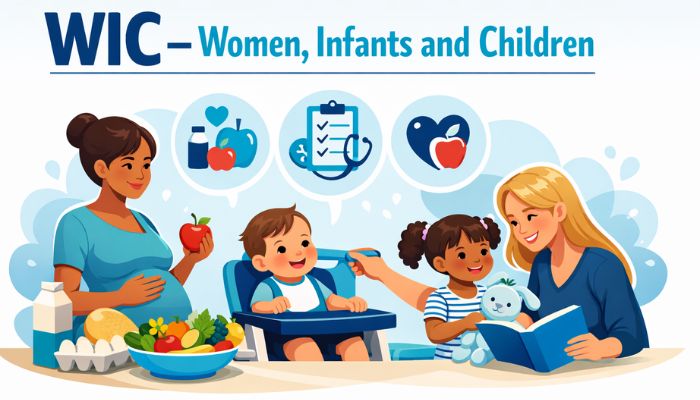
Ensuring proper nutrition during pregnancy and early childhood development is one of the most critical investments a family can make. The Special Supplemental Nutrition Program for Women, Infants, and Children (WIC) is a highly successful, federally funded public health program designed to safeguard the health of low-income women, infants, and children up to age five who are at nutritional risk.
Find out about: SNAP (Food Stamps)
If you are looking for ways to secure affordable healthcare resources, nutritional support, and expert dietary counseling for your growing family, understanding how to navigate the WIC program is your first step toward long-term wellness.
What is the WIC Program and How Does It Help Families?
WIC is administered at the federal level by the Food and Nutrition Service of the U.S. Department of Agriculture (USDA), and it operates through state health departments and local community clinics. Unlike other government assistance programs, WIC is not an entitlement program; instead, it receives a specific budget allocation from Congress each year to support eligible participants.
A Holistic Approach to Family Wellness
WIC goes far beyond providing simple grocery vouchers. The program takes a comprehensive approach to healthcare by offering:
Nutritional Counseling: Personalized sessions with registered dietitians to help parents make healthy food choices.
Breastfeeding Support: Access to certified lactation consultants, peer counselors, and free breast pumps.
Healthcare Referrals: Direct connections to Medicaid, pediatricians, immunizations, and prenatal care clinics.
The Shift to Electronic WIC (eWIC) Cards
Similar to the SNAP program’s EBT system, most states have transitioned to the eWIC card. This electronic benefit transfer system allows participants to buy approved foods discreetly and efficiently at authorized grocery stores, eliminating the stigma associated with old paper checks and coupons.
Navigating WIC Eligibility Requirements: Who Qualifies?
To receive WIC program benefits, applicants must meet four specific federal criteria: categorical requirements, residential status, income limits, and evidence of nutritional risk.
1. Categorical Requirements
WIC specifically targets individuals during critical phases of human development. You must fit into one of the following categories:
2. Income Eligibility Standards and Automatic Qualification
Applicants must have a household income at or below 185% of the Federal Poverty Level (FPL). However, WIC features an automatic income-qualification loophole: if you or your family members already receive benefits from SNAP (food stamps), Medicaid, or Temporary Assistance for Needy Families (TANF), you are automatically deemed income-eligible for WIC.
3. Nutritional Risk Assessment
Before approval, applicants must undergo a free health screening at a local WIC clinic. A healthcare professional will check height, weight, and hemoglobin levels to determine if there is a medical or dietary risk, such as anemia, underweight status, poor pregnancy history, or an inadequate diet.
Maximizing the WIC Food Package: What is Included?
The WIC food package is scientifically formulated to supply specific nutrients that are often lacking in the diets of low-income women and young children, such as iron, calcium, protein, and vitamins A and C.
Approved Nutritional Foods for Infants and Children
The WIC approved foods list is highly specific and typically includes:
Infant Formula and Foods: Iron-fortified infant formula, infant cereal, and jars of pureed fruits and vegetables.
Dairy and Substitutes: Low-fat milk, cheese, yogurt, and calcium-fortified soy milk or tofu.
Whole Grains: 100% whole-wheat bread, brown rice, oatmeal, and whole-grain corn tortillas.
Fruits and Vegetables: Cash-value vouchers specifically designated for purchasing fresh, frozen, or canned produce.
Proteins: Eggs, peanut butter, canned fish (for exclusively breastfeeding mothers), and dried or canned beans.
How to Apply for WIC Benefits Online and In-Person
Securing your benefits requires a structured application process, but local health departments streamline this to get families the help they need quickly.
Step-by-Step Application Process
Find Your Local WIC Clinic: Use an online state directory to locate the closest approved clinic or health department.
Schedule an Appointment: Call or fill out an online pre-screening tool to request an intake appointment.
Gather Required Documentation: You must bring proof of income (pay stubs), proof of residency (utility bills), and government-issued identification for yourself and your children.
Attend the Certification Health Screening: Complete the brief medical check and nutritional interview to finalize your enrollment.
The Proven Impact of WIC on Long-Term Health
«Public health studies consistently show that every dollar invested in the WIC program saves up to $3.50 in healthcare costs by reducing premature births and infant mortality rates.»
WIC is widely recognized as one of the nation’s most effective public health interventions. Children who participate in WIC show improved cognitive development, higher immunization rates, and a significantly lower risk of childhood obesity. By offering a combination of nutrient-dense food and vital healthcare services for mothers, WIC empowers families to build a foundation of lifelong wellness.
If you are expecting or raising young children, explore your local WIC options today to secure the nutritional foundation your family deserves.