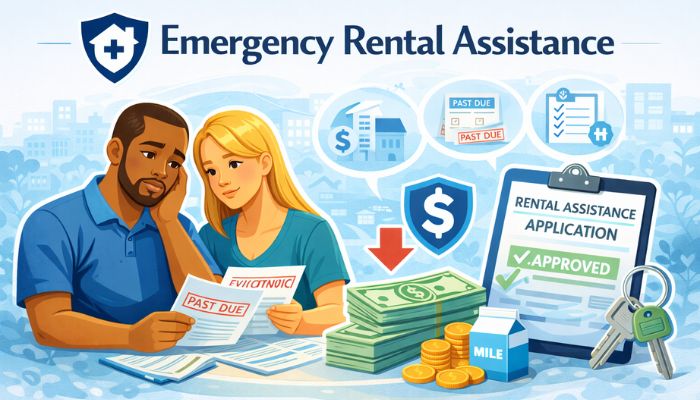
Emergency Rental Assistance programs provide critical financial support for individuals and families struggling to pay rent and housing-related expenses in the United States. Rising housing costs, job loss, inflation, and economic hardship have made rental assistance programs increasingly important for millions of households facing the risk of eviction or homelessness.
Learn about: Housing Choice Voucher Program: Section 8
Government rental assistance programs help low-income renters maintain stable housing by covering overdue rent, utility bills, and other housing expenses during financial emergencies. These programs are designed to protect families from housing insecurity while providing temporary financial relief during difficult times.
For renters searching for eviction prevention programs, housing assistance, or emergency financial aid, understanding how Emergency Rental Assistance works can provide access to valuable support and help prevent long-term financial hardship.
What Is Emergency Rental Assistance?
Emergency Rental Assistance is a government-funded housing support program created to help eligible renters pay past-due rent, utilities, and housing-related expenses. These programs are often administered by state, local, or nonprofit agencies using federal funding.
The primary goal of rental assistance programs is to prevent:
- Evictions
- Housing instability
- Utility shutoffs
- Homelessness
Depending on the program and location, assistance may cover:
- Monthly rent payments
- Overdue rental balances
- Electricity and gas bills
- Water and internet services
- Moving expenses in some cases
Emergency housing assistance became especially important during periods of economic uncertainty and continues to support families experiencing financial difficulties.
Who Qualifies for Emergency Rental Assistance?
Eligibility requirements vary by state and local program, but many rental assistance programs focus on helping low-income households affected by financial hardship.
Families may qualify if they:
- Have experienced income loss
- Face housing instability
- Are behind on rent or utilities
- Meet income eligibility guidelines
- Are at risk of eviction or homelessness
Some programs prioritize assistance for:
- Families with children
- Single-parent households
- Seniors
- Individuals with disabilities
- Unemployed workers
- Victims of domestic violence
Because funding availability differs by region, renters should contact local housing agencies for updated eligibility information.
How Emergency Rental Assistance Helps Families
Housing costs are one of the largest financial burdens for most households in the United States. Losing stable housing can create serious emotional, financial, and health-related challenges.
Emergency Rental Assistance programs help families:
- Stay in their homes
- Avoid eviction proceedings
- Prevent utility disconnections
- Reduce financial stress
- Maintain safer living conditions
For many households, temporary rental support provides enough stability to recover from unexpected financial setbacks.
Types of Housing Costs Covered
Rental assistance programs may help pay several housing-related expenses.
Overdue Rent Payments
Many programs cover unpaid rent balances that accumulated due to financial hardship or job loss.
Future Rent Assistance
Some programs may provide temporary future rent support while families regain financial stability.
Utility Assistance
Eligible renters may also receive help paying:
- Electricity bills
- Water services
- Natural gas
- Trash collection
- Internet services in certain programs
Relocation Assistance
In some cases, emergency housing programs may help families move into safer or more affordable housing.
The exact benefits available depend on program funding and local guidelines.
How to Apply for Emergency Rental Assistance
Applying for rental assistance typically involves contacting a local housing authority, nonprofit organization, or state assistance agency.
Documents Often Required
Applicants may need:
- Proof of income
- Rental agreements or lease documents
- Past-due rent notices
- Utility bills
- Identification documents
- Proof of financial hardship
- Eviction notices if applicable
Many agencies now offer online applications that allow renters to apply from home.
Because demand for housing assistance can be high, applicants are encouraged to submit complete documentation as quickly as possible.
Eviction Prevention and Housing Stability
One of the most important goals of Emergency Rental Assistance is eviction prevention.
Why Preventing Eviction Matters
Evictions can negatively affect:
- Credit scores
- Employment opportunities
- Future housing applications
- Mental health
- Family stability
Children experiencing housing instability may also face:
- Academic difficulties
- Emotional stress
- Frequent school changes
Rental assistance programs help reduce these risks by allowing families to remain in stable housing during temporary financial crises.
Additional Support Services Available
Many emergency housing programs also connect families with other community resources.
Financial Counseling
Some organizations provide budgeting assistance and financial planning support.
Legal Assistance
Tenants facing eviction proceedings may receive access to legal aid services.
Employment Resources
Families may be referred to:
- Job training programs
- Workforce development services
- Employment placement assistance
Food and Healthcare Assistance
Rental assistance agencies may also help households apply for:
- SNAP benefits
- Medicaid coverage
- Childcare assistance
- Utility assistance programs
Combining multiple forms of support can help families achieve greater financial stability.
Why Emergency Rental Assistance Is Important
Affordable housing has become a major challenge across the United States. Rising rent prices and economic instability have increased the number of households struggling to maintain stable housing.
Emergency Rental Assistance programs help:
- Reduce homelessness
- Protect vulnerable families
- Support local communities
- Stabilize housing markets
- Improve public health outcomes
Without housing support programs, many families would face severe financial and emotional hardship during periods of unemployment or unexpected emergencies.
Common Challenges Families Face
Many renters struggle with:
- Sudden job loss
- Medical expenses
- Reduced work hours
- Inflation
- Rising housing costs
Even temporary financial setbacks can quickly lead to missed rent payments and housing instability.
Emergency housing assistance provides short-term relief that allows families time to recover financially without losing their homes.
Tips for Renters Seeking Assistance
Families looking for rental assistance can improve their chances of approval by:
- Applying early
- Gathering complete documentation
- Communicating with landlords
- Monitoring local housing programs
- Following up on application status
Because funding may be limited, staying informed about available programs is important.
Renters should also explore local nonprofit organizations that provide housing support and emergency financial assistance.