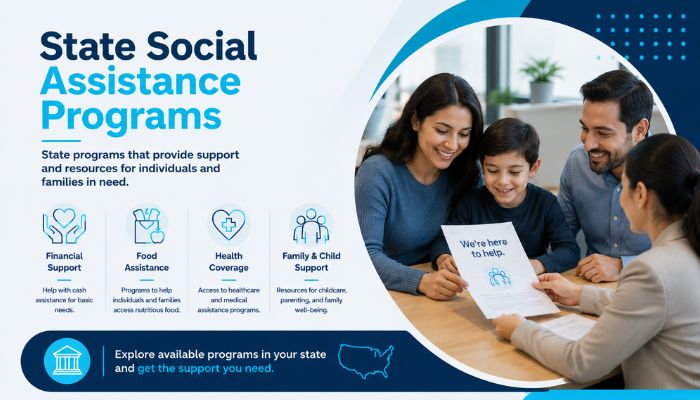
State social assistance programs in the United States provide essential financial support and public benefits for millions of low-income families, unemployed individuals, seniors, and people facing economic hardship. While many assistance programs receive federal funding, individual states manage and distribute benefits through their own agencies, creating programs tailored to the needs of local communities.
You might be interested in: Assistance for homeless people
These programs help vulnerable households access food assistance, healthcare coverage, housing support, childcare services, utility payment help, and employment resources. As inflation, housing costs, and living expenses continue to rise, state assistance programs have become increasingly important for maintaining financial stability and reducing poverty.
For families searching for government financial aid, emergency assistance programs, or low-income support services, state social assistance programs can provide valuable resources during difficult times.
What Are State Social Assistance Programs?
State social assistance programs are public benefit initiatives administered by state governments to support residents experiencing financial hardship or economic instability.
These programs may provide:
- Monthly cash assistance
- Food benefits
- Healthcare coverage
- Rental assistance
- Childcare subsidies
- Utility bill support
- Employment services
- Emergency financial aid
Although some programs follow federal guidelines, states often determine:
- Eligibility requirements
- Benefit amounts
- Application procedures
- Additional support services
Because every state operates differently, the assistance available can vary significantly depending on where a person lives.
Common Types of State Assistance Programs
Most states offer a variety of support services designed to help low-income households meet basic needs and improve long-term financial security.
Cash Assistance Programs
Temporary cash assistance helps families pay for essential expenses such as:
- Rent
- Utilities
- Food
- Transportation
- Household necessities
Programs like Temporary Assistance for Needy Families (TANF) are often administered at the state level.
Food Assistance Programs
States help distribute nutrition assistance benefits through programs such as:
- SNAP benefits
- Emergency food assistance
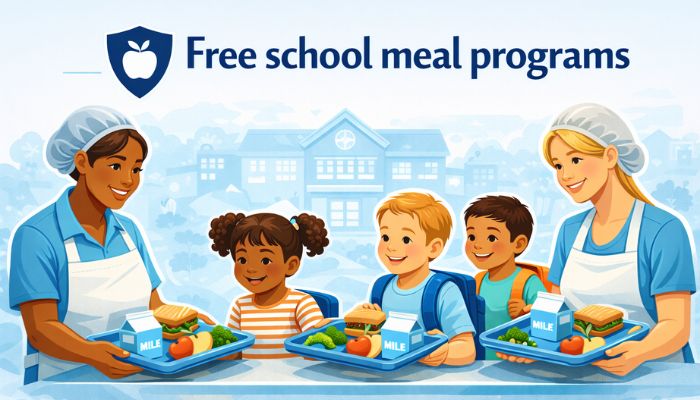
- School meal programs
- Senior nutrition services
These services help reduce food insecurity and support healthier communities.
Healthcare Assistance
Many states administer healthcare programs for eligible residents, including:
- Medicaid coverage
- Children’s health insurance programs
- Low-income health services
- Disability healthcare assistance
Healthcare support can help families reduce medical debt and access necessary treatment.
Housing and Rental Assistance Programs
Affordable housing continues to be a major challenge for many American families. State housing assistance programs help prevent homelessness and housing instability.
Rental Assistance Programs
States may offer:
- Emergency rental payments
- Eviction prevention assistance
- Housing vouchers
- Temporary shelter programs
These services became especially important during periods of economic hardship and rising rent costs.
Utility Assistance
Some states provide financial help for:
- Electricity bills
- Heating costs
- Water services
- Energy-efficient home improvements
Programs like LIHEAP help low-income households maintain safe living conditions during extreme weather.
Childcare and Family Assistance Programs
Many working families struggle with the high cost of childcare and early education services.
Childcare Subsidies
States may provide financial assistance that helps parents pay for:
- Daycare centers
- Preschool programs
- After-school care
- Early childhood education
Affordable childcare allows parents to:
- Maintain employment
- Attend school
- Participate in job training programs
Family Support Services
Additional family assistance programs may include:
- Parenting education
- Nutritional counseling
- Child welfare services
- Transportation support
These resources help improve family stability and child development outcomes.
Employment and Workforce Development Programs
Many state assistance programs focus on helping individuals achieve long-term financial independence through employment support.
Job Training Services
Programs may offer:
- Career counseling
- Resume assistance
- Vocational education
- Technical certifications
- Workforce development workshops
These services help workers improve job skills and increase earning potential.
Unemployment Assistance
States also administer unemployment insurance programs that provide temporary income support for workers who lose their jobs.
Unemployment benefits help families maintain financial stability while searching for new employment opportunities.
Assistance for Seniors and Disabled Individuals
Many states operate specialized support programs for elderly residents and people with disabilities.
Senior Assistance Programs
Services may include:
- Food assistance
- Transportation support
- Home care services
- Prescription medication assistance
- Senior housing programs
These programs help older adults maintain independence and improve quality of life.
Disability Support Services
Disabled individuals may qualify for:
- Healthcare assistance
- Financial aid
- Housing support
- Employment accommodations
- Transportation assistance
State disability programs help individuals access essential resources and improve daily living conditions.
Emergency Financial Assistance Programs
Unexpected emergencies can create severe financial hardship for families and individuals.
Emergency Assistance May Include:
- Crisis cash assistance
- Disaster relief
- Temporary shelter
- Food vouchers
- Utility payment help
- Medical emergency support
These short-term programs help households recover from unexpected situations such as:
- Job loss
- Natural disasters
- Medical emergencies
- Housing crises
Emergency assistance programs are often designed to prevent deeper financial instability.
How to Apply for State Assistance Programs
Residents interested in social assistance programs can usually apply online, by phone, or through local social service offices.
Applicants may need:
- Proof of income
- Identification documents
- Social Security numbers
- Proof of residency
- Employment records
- Household information
Some states offer centralized online portals where residents can apply for multiple benefit programs at once.
Because eligibility rules differ between states, applicants should review local requirements carefully.
Why State Assistance Programs Matter
State social assistance programs help millions of Americans meet their basic needs and avoid severe poverty.
These programs:
- Reduce food insecurity
- Prevent homelessness
- Improve healthcare access
- Support working families
- Protect vulnerable populations
- Strengthen local economies
Without government assistance programs, many families would struggle to afford housing, healthcare, childcare, and other essential expenses.
Social assistance programs also help communities remain economically stable during recessions, inflation, and periods of financial uncertainty.
Challenges Facing State Assistance Programs
Although these programs provide critical support, many states face challenges such as:
- Limited funding
- High demand for services
- Long application processing times
- Housing shortages
- Rising healthcare costs
As economic conditions change, states continue working to expand access to assistance and improve service delivery for residents in need.